Physics Research
(Current Super Awesome Research Project!!!)
Correlation Between Cosmic Ray Particle Flux and Solar Activity
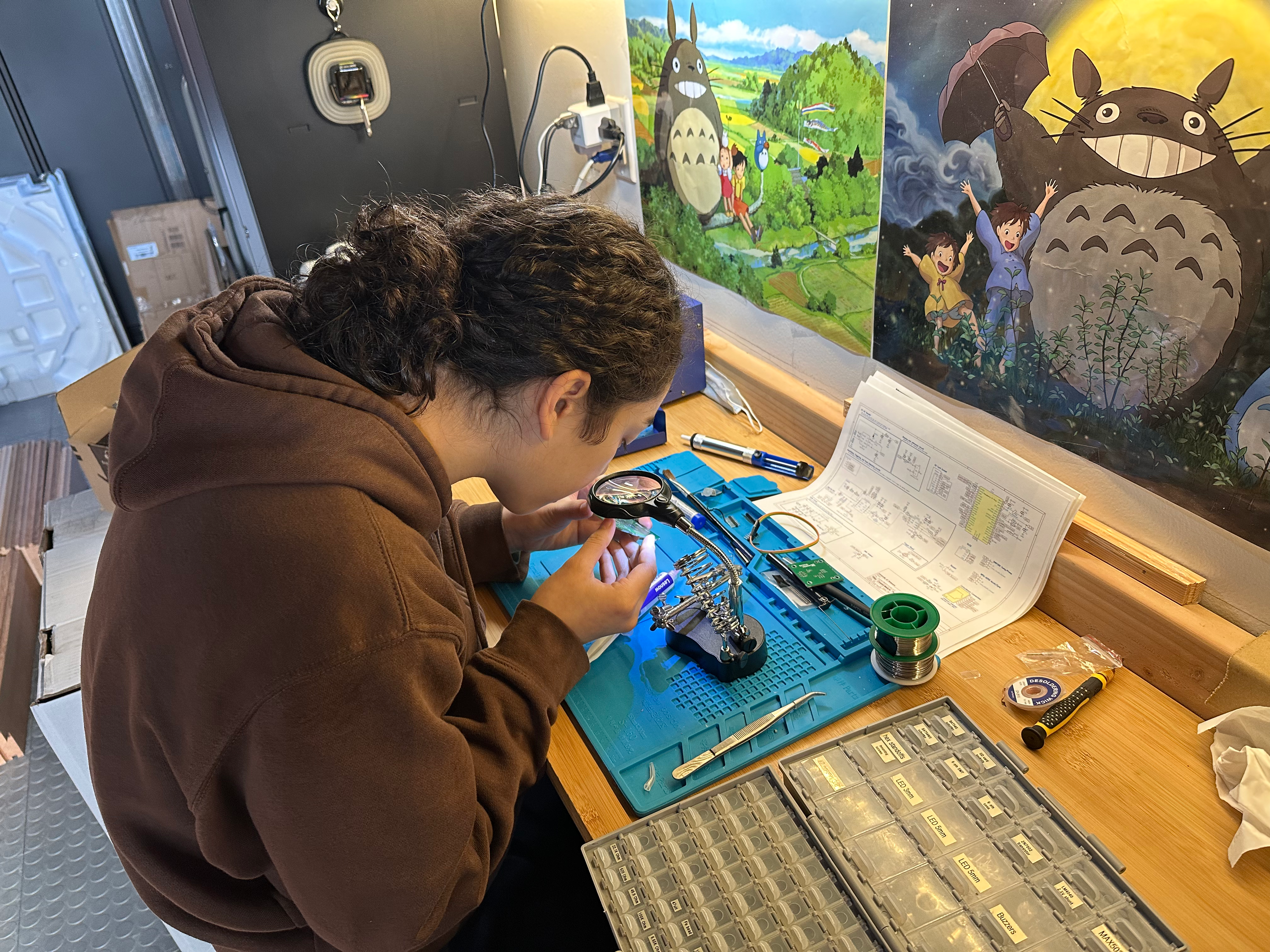
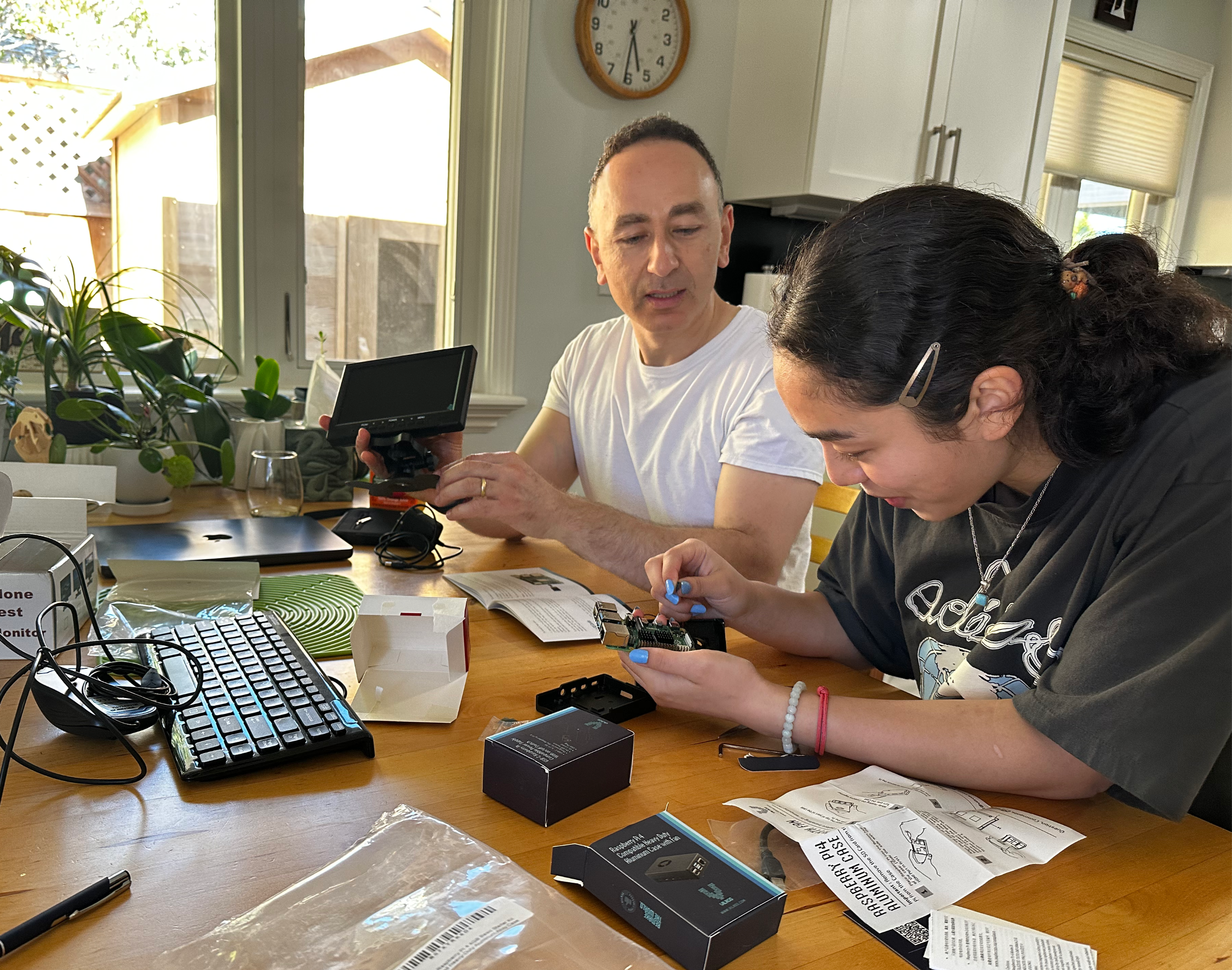
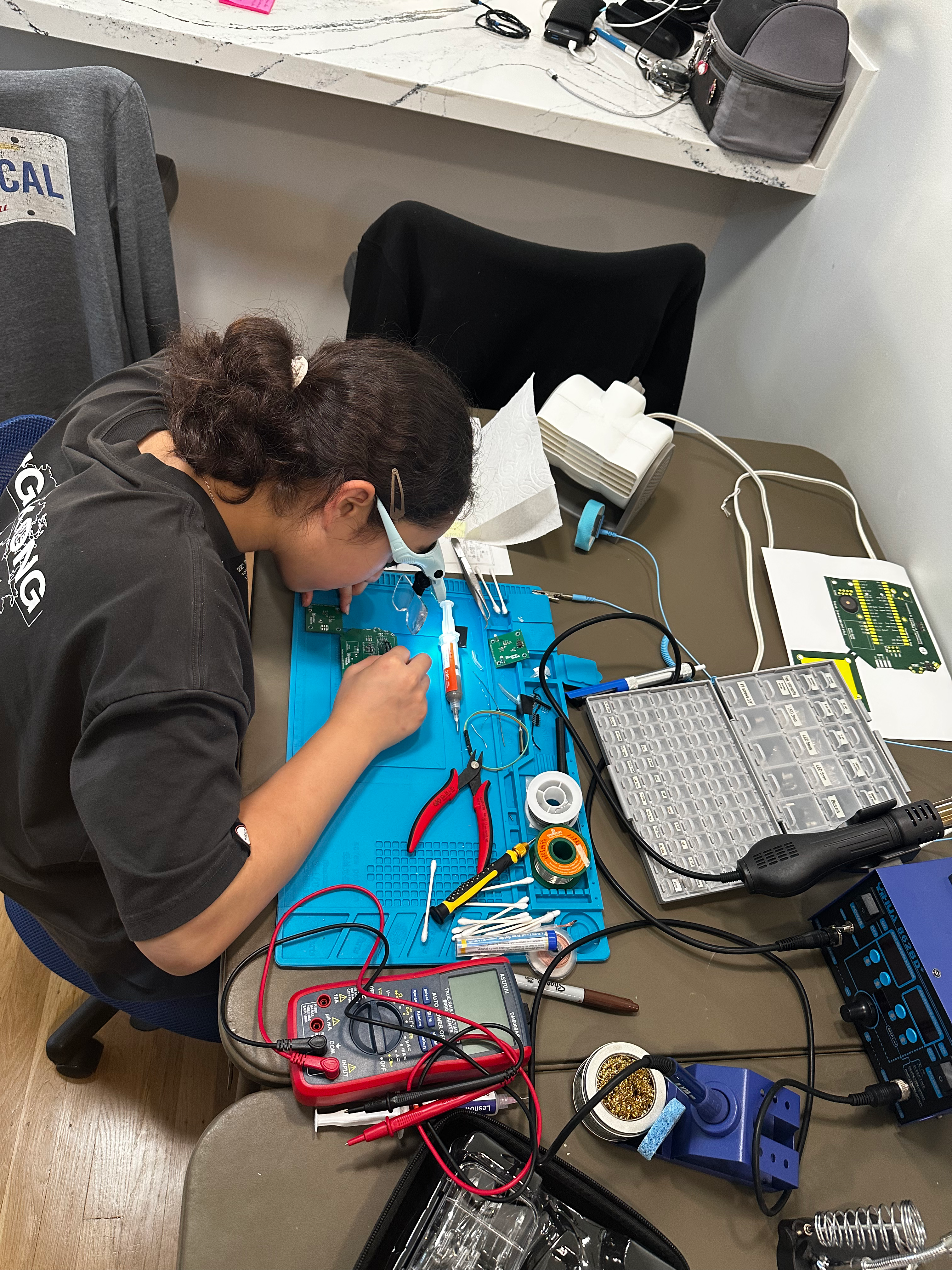
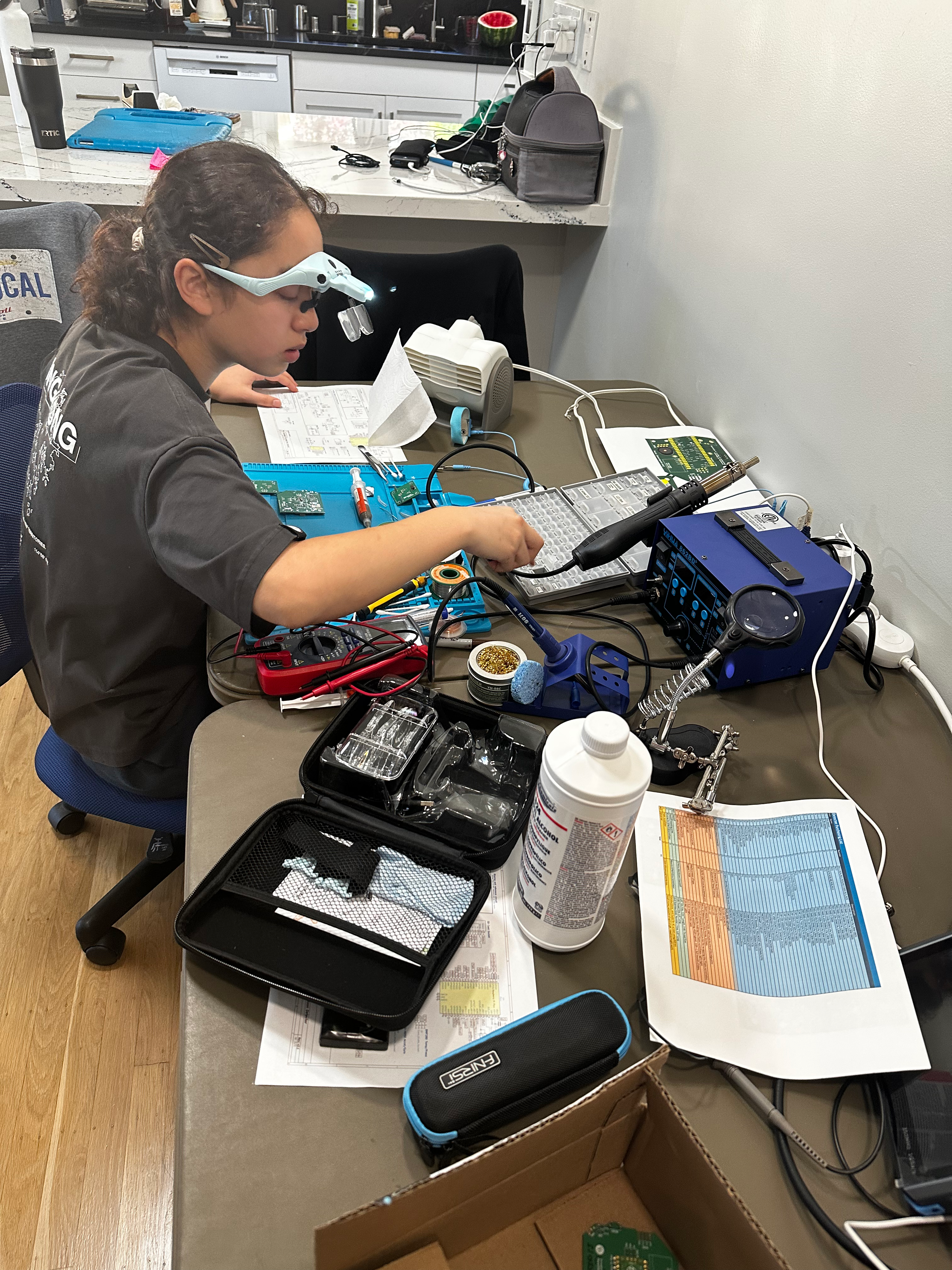
For the past year, I have been collecting coincidence detection data of cosmic ray particles using a homemade, tabletop CosmicWatch muon detector. Through this project, I aim to process the muon detection data and create a plot (as shown on the right) to compare against public solar activity databases from NOAA GOES, the neutron monitor database (NMDB), the NASA Community Coordinated Modeling Center Space Weather Data Base Of Notification, Knowledge, and Information (CCMC DONKI) and other databases to determine whether there is a correlation between solar activity and a change in cosmic ray particle rate.


Citizen Science
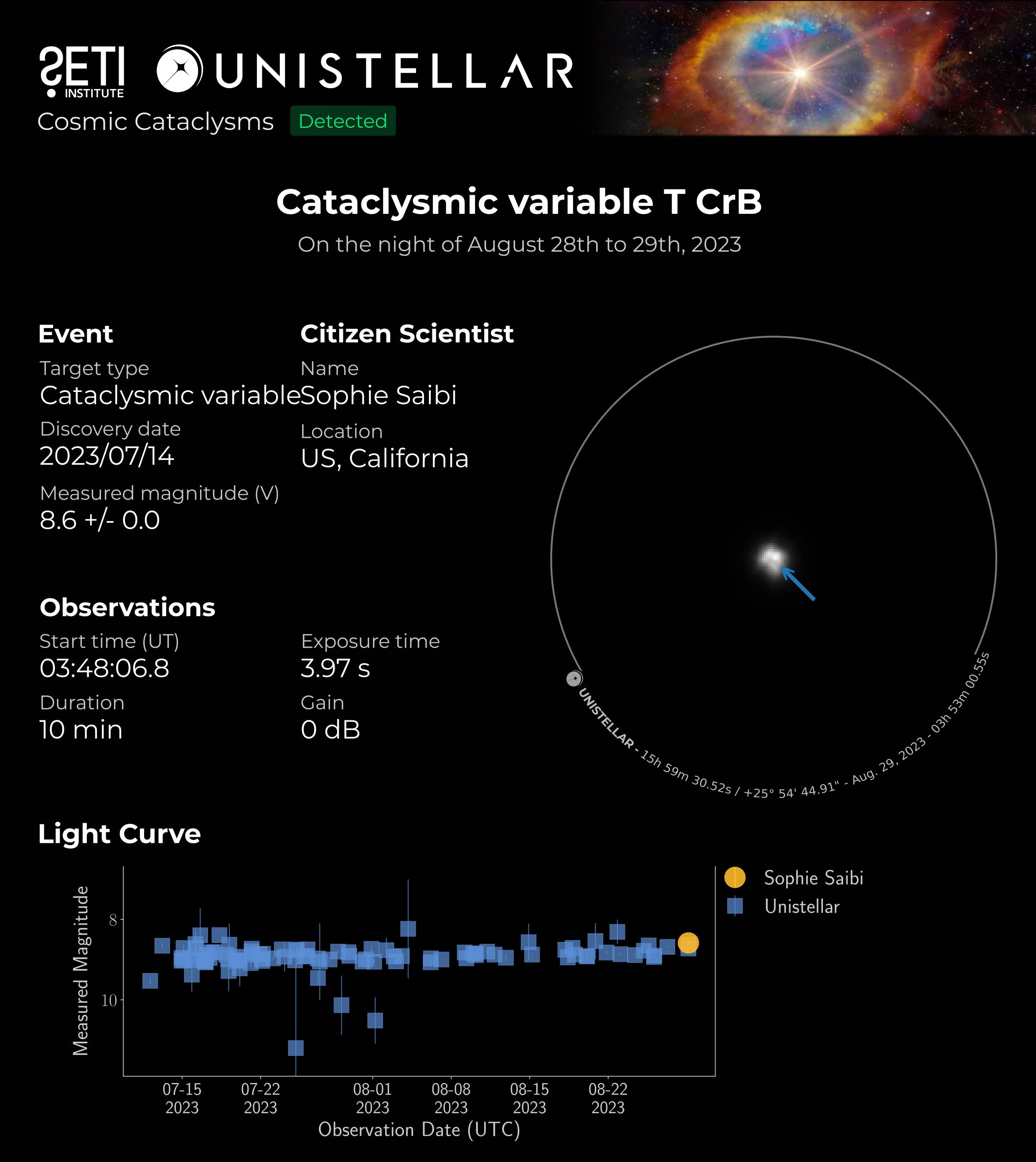
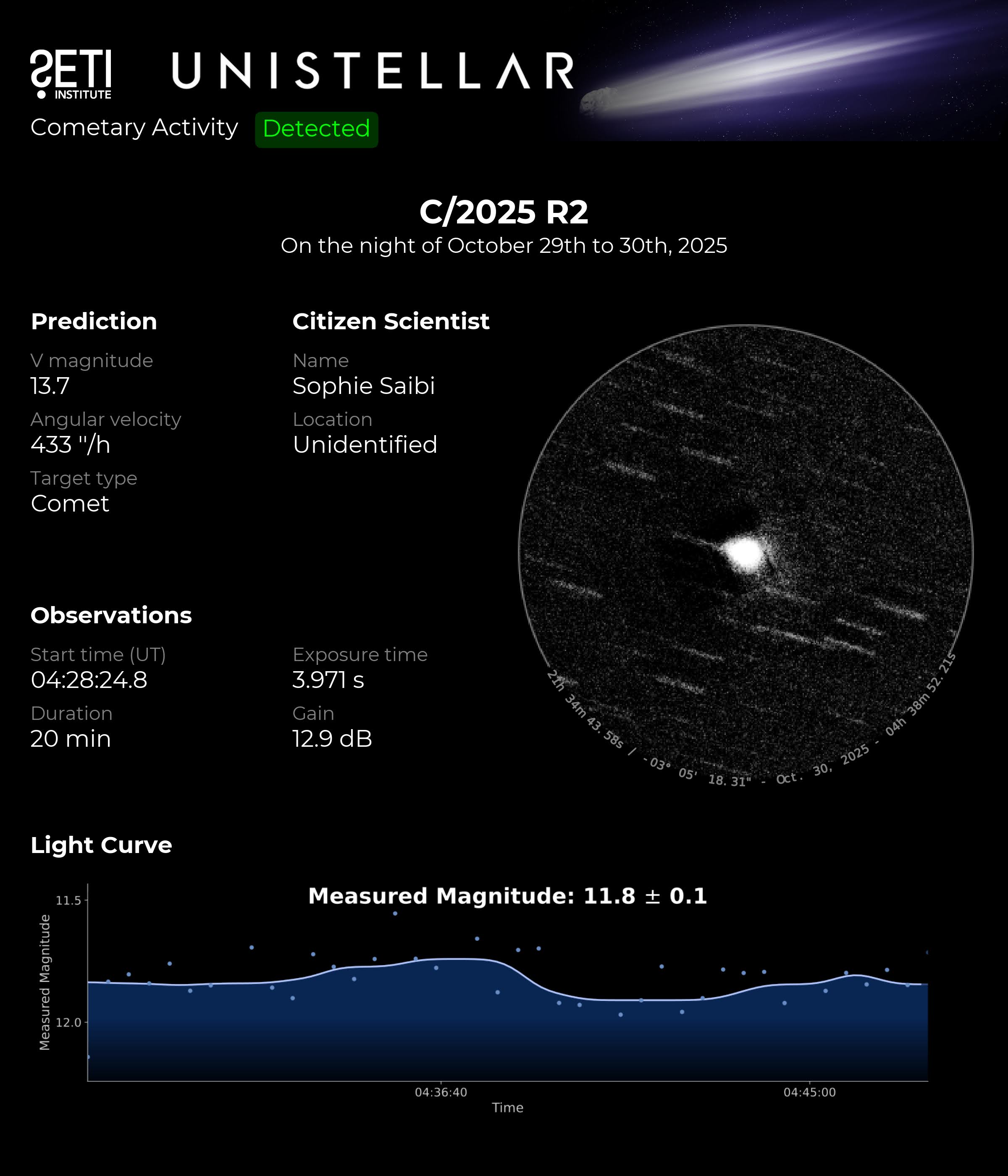
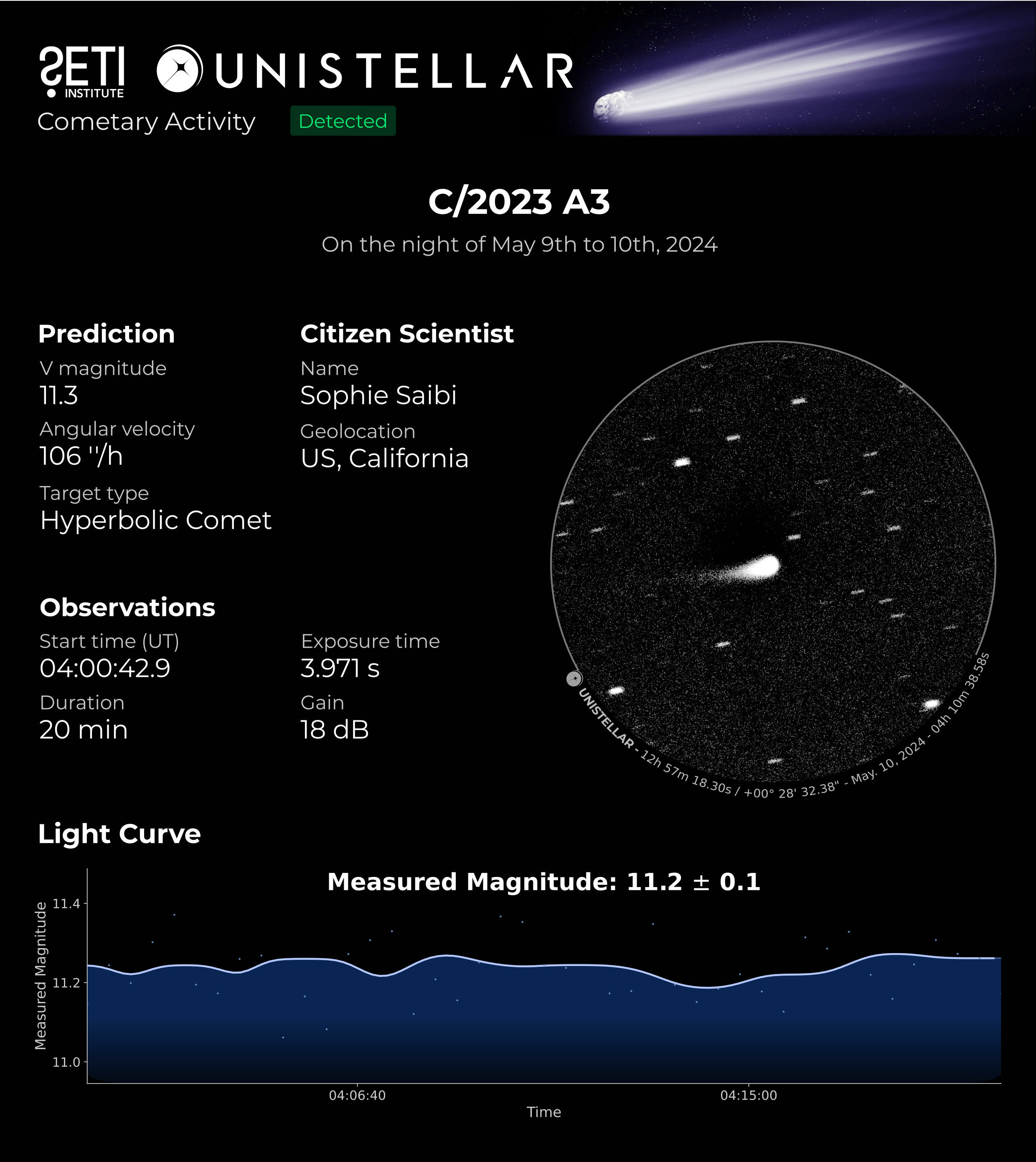
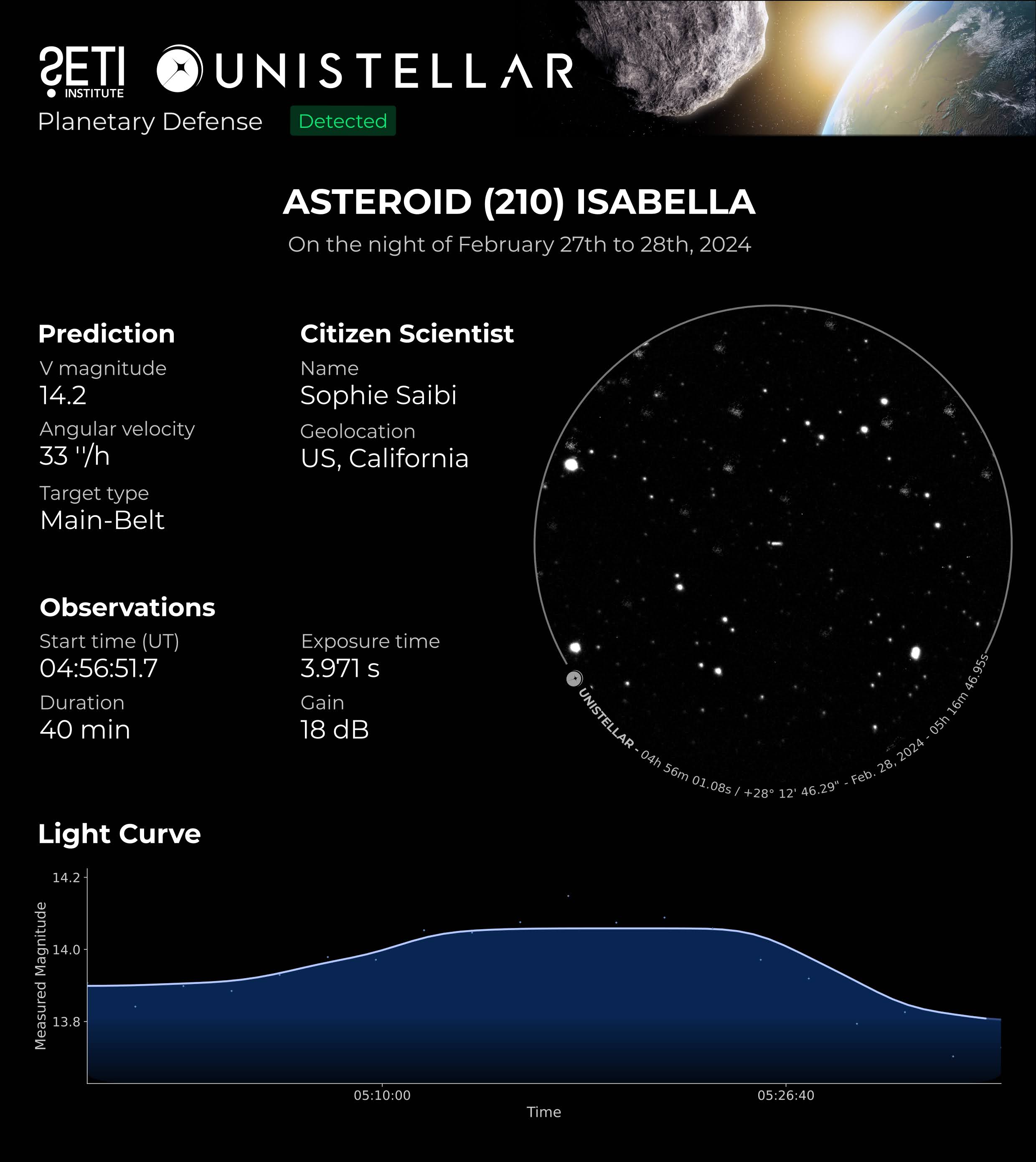
Since 9th grade, I’ve been a part of the Unistellar citizen science community, contributing to numerous missions over the years, including capturing data for asteroids, supernovae, comets, variable stars, exoplanet transits to aid SETI/NASA UNITE and Unistellar/SETI programs. Through this community, I have talked to other citizen astronomers of all ages, from the Bay Area to New Mexico. These conversations have pushed me to continue pursuing independent projects and involving myself in the astronomy community, including attending Cal Academy and KIPAC lectures, and joining the American Astronomical Society (AAS).


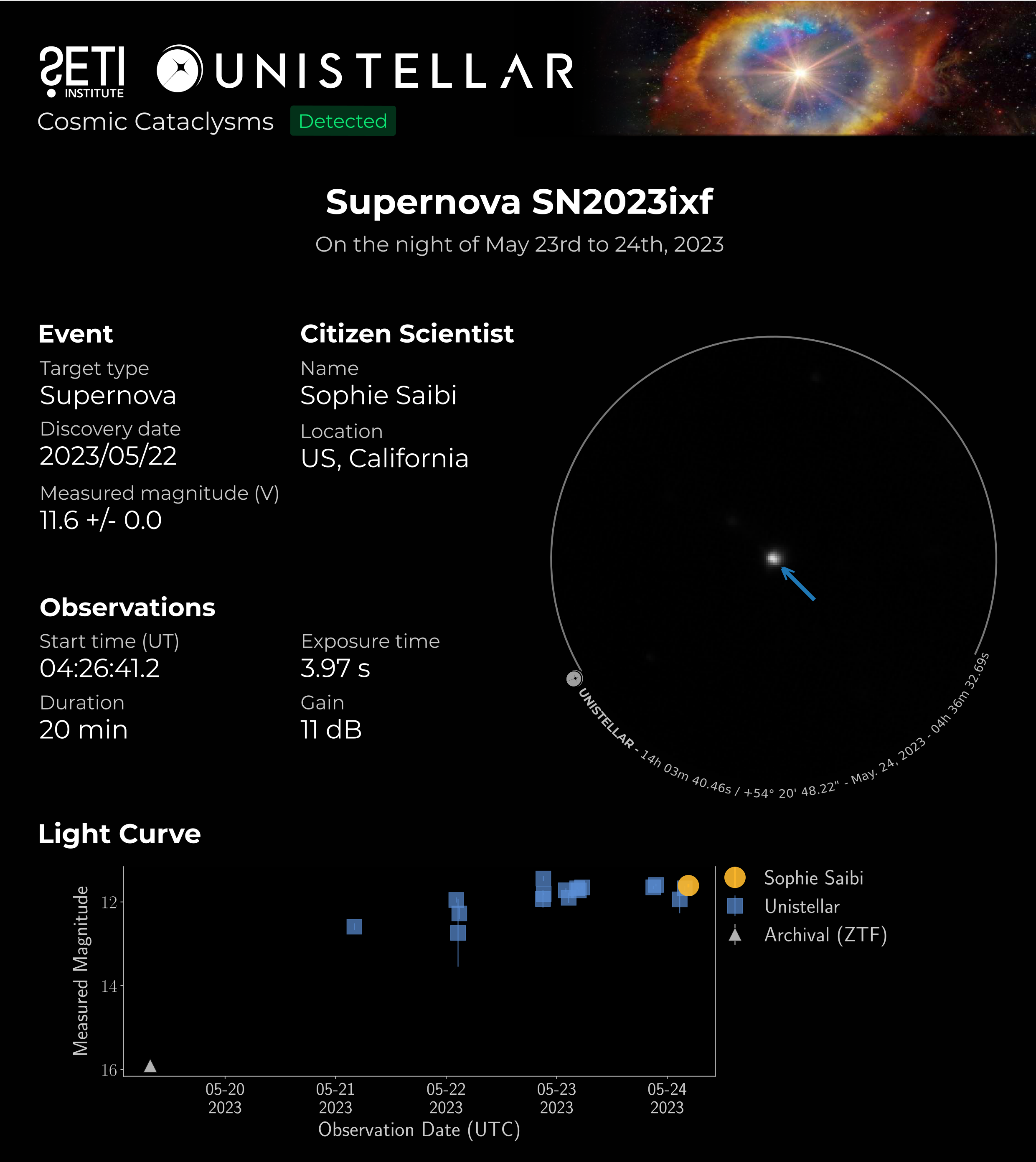
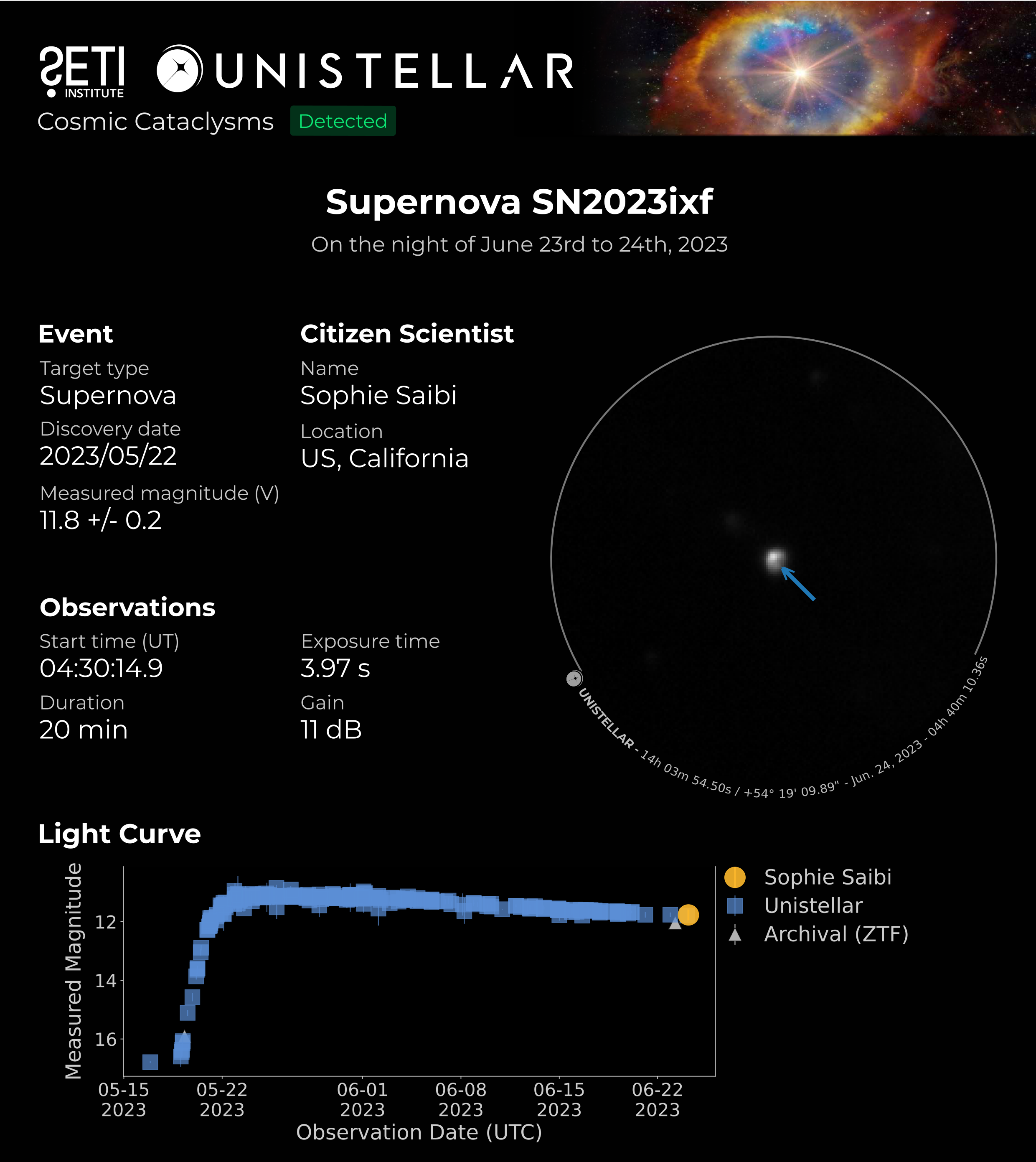
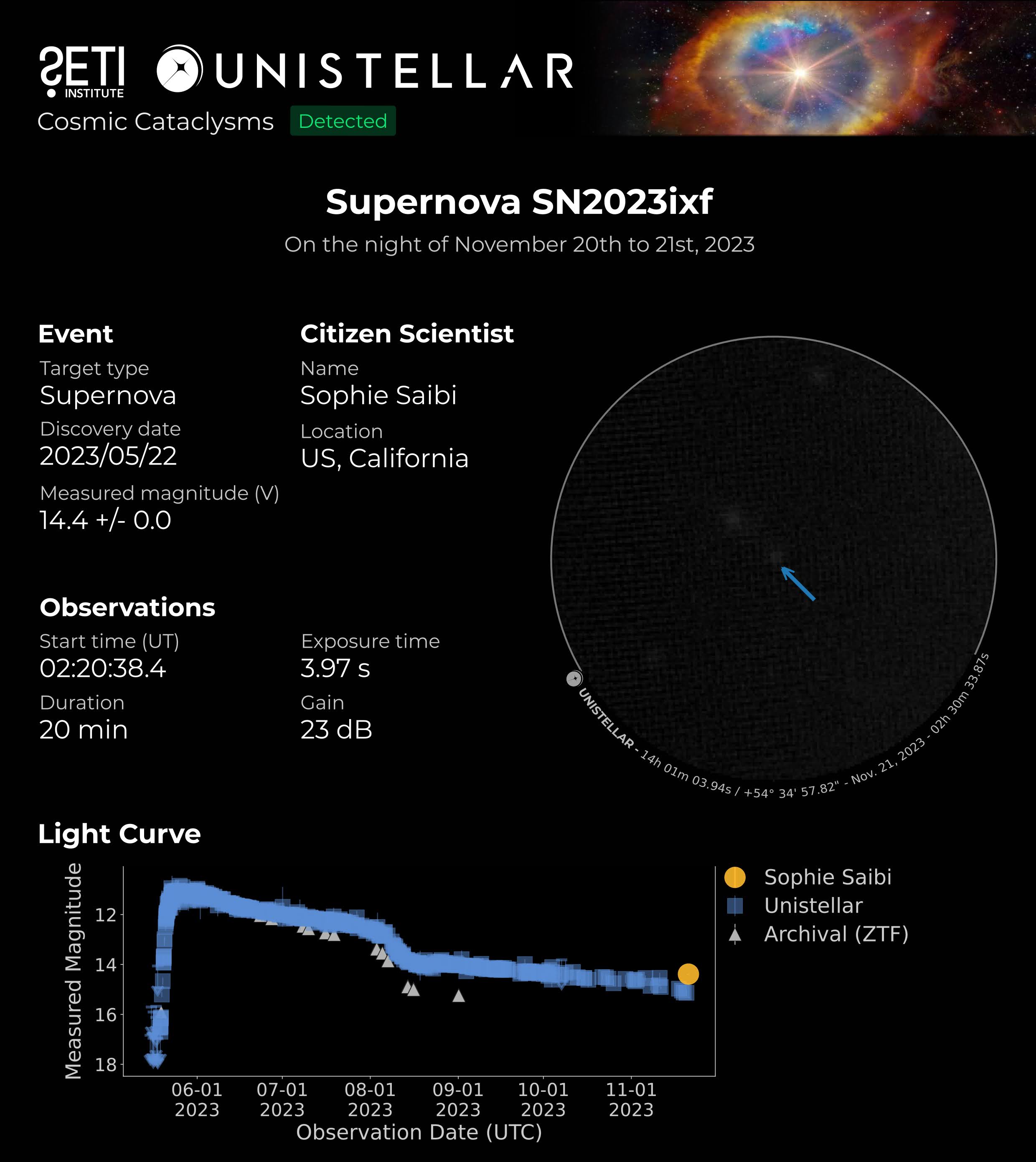
One of my favorite missions was tracking the magnitude of SN2023ixf, a supernova that appeared in my favorite galaxy, M101 (Pinwheel Galaxy). I contributed 12 observations over multiple months, which culminated in the publication of a research paper where I was included as a co-author.
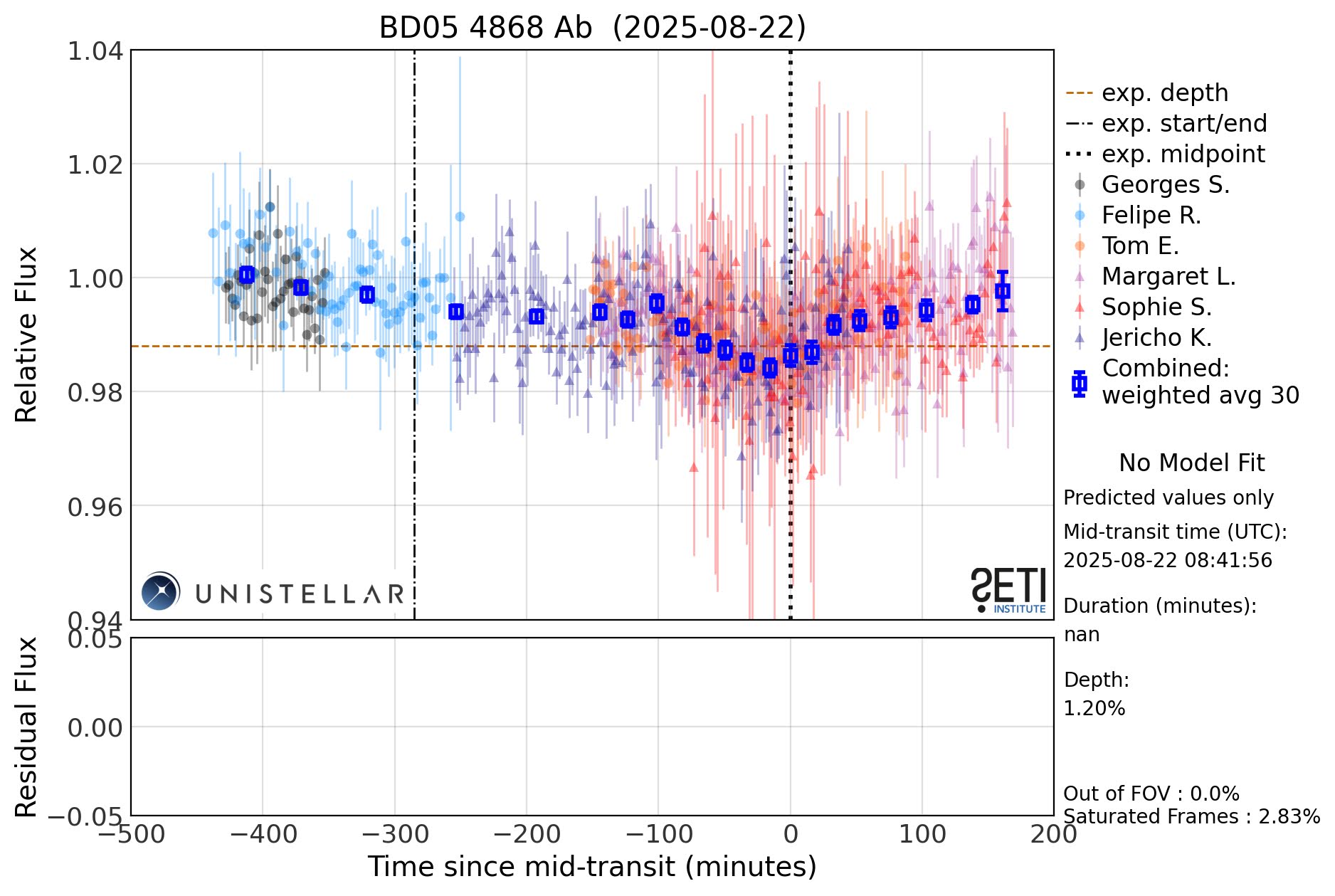
Since then, I've been co-authored in four other research papers for my observation data. Most recently, my contributions to the observation of a disintegrating exoplanet, BD+05 4868Ab, are set to be submitted to a high-profile research journal (more to come, stay tuned!).


Connecting with Wider Community
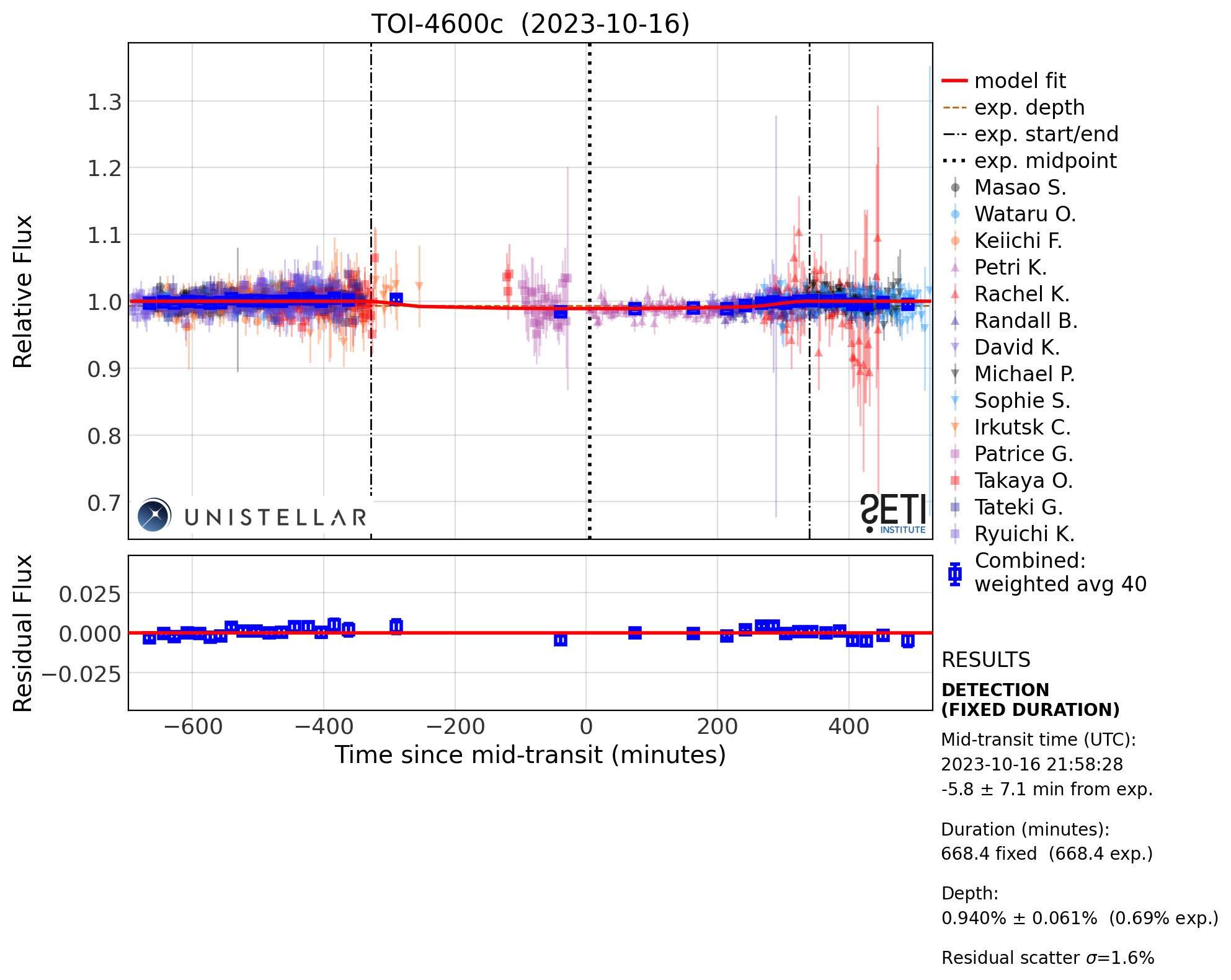
My citizen science contributions led to opportunities I never expected: I was interviewed by NBC Bay Area and featured in the Mercury News following the exoplanet transit mission TOI-4600c, which citizen scientists contributed to from all over the globe.
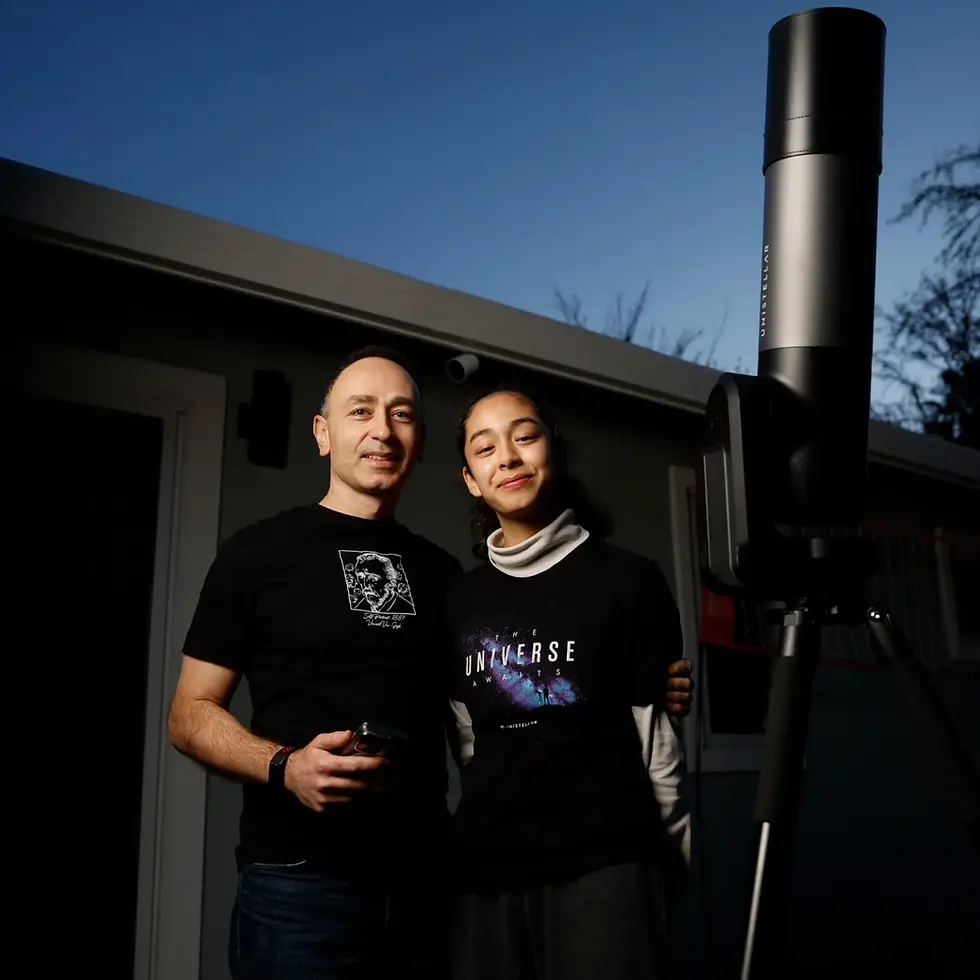


Article Link/Credits: https://www.mercurynews.com/2024/01/15/how-citizen-astronomers-in-silicon-valley-and-around-the-globe-helped-nasa-track-a-distant-saturn-sized-world/
At online STEM learning center Create and Learn, I gave a talk on my experience in the NASA UNITE program to a virtual audience of elementary schoolers. Their excitement and questions about what I was doing as a citizen scientist were deeply motivating. That experience still drives me to introduce astronomy to people with little scientific background, in hopes that they, too, might discover a passion for it.
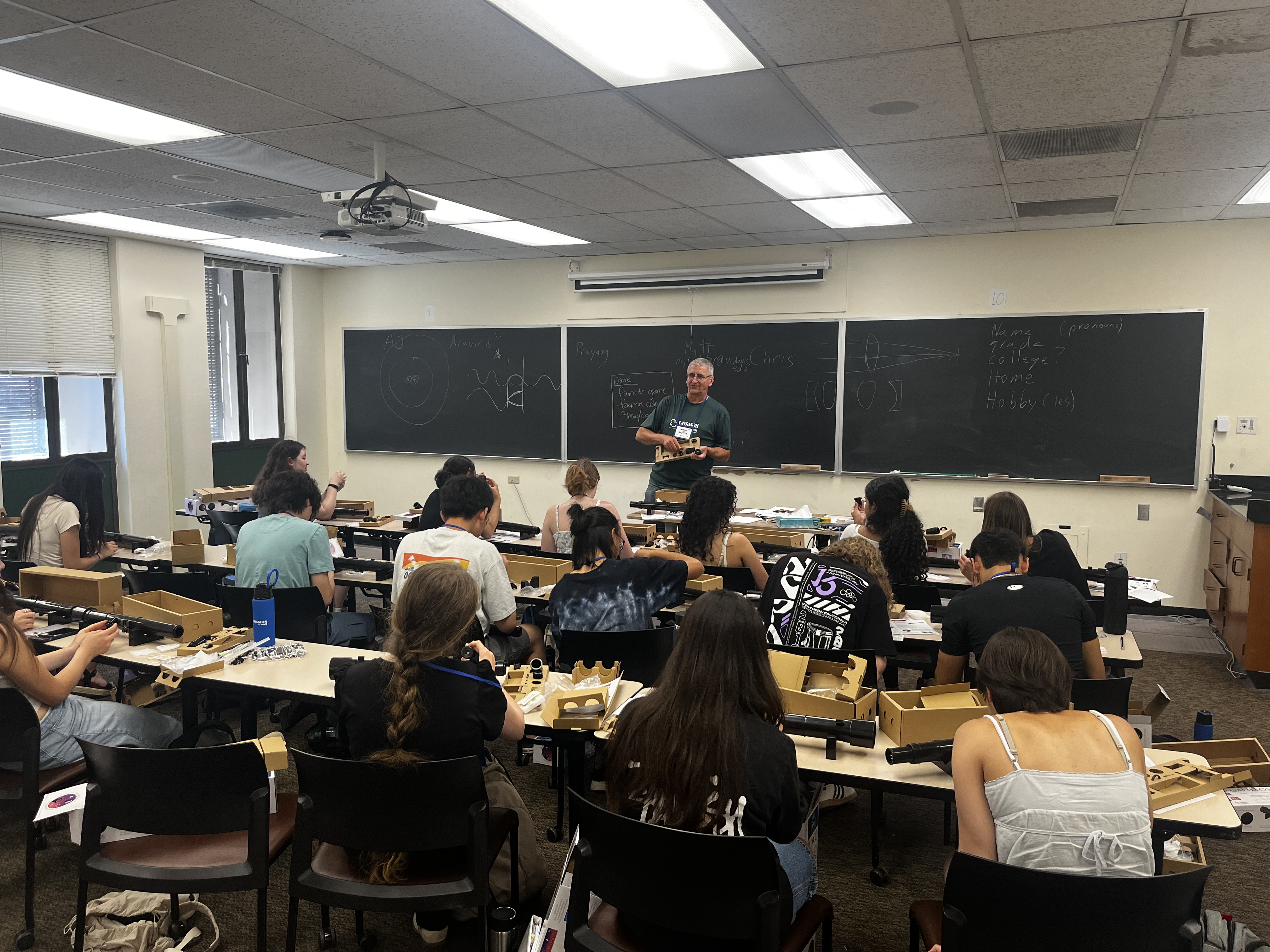
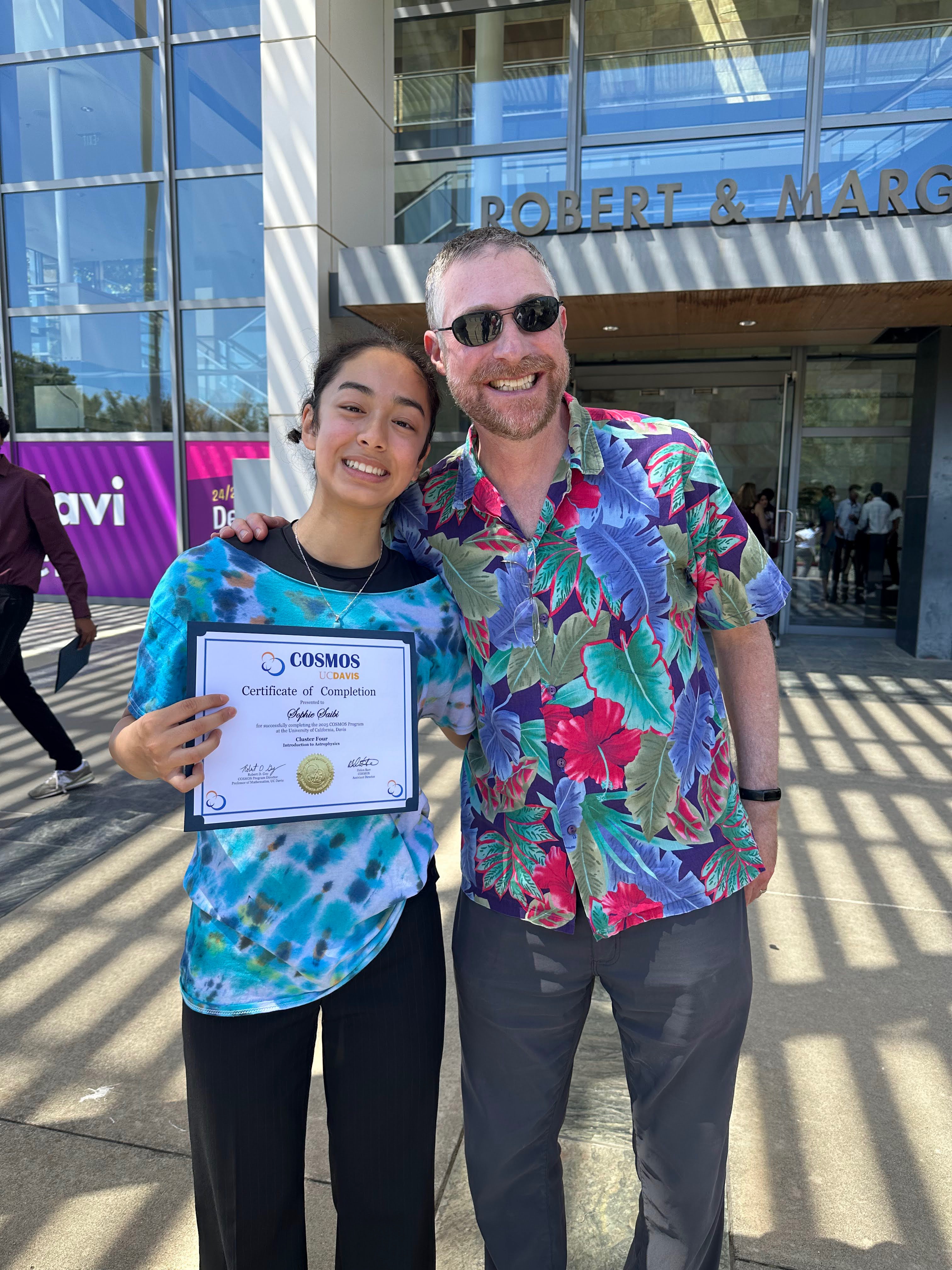
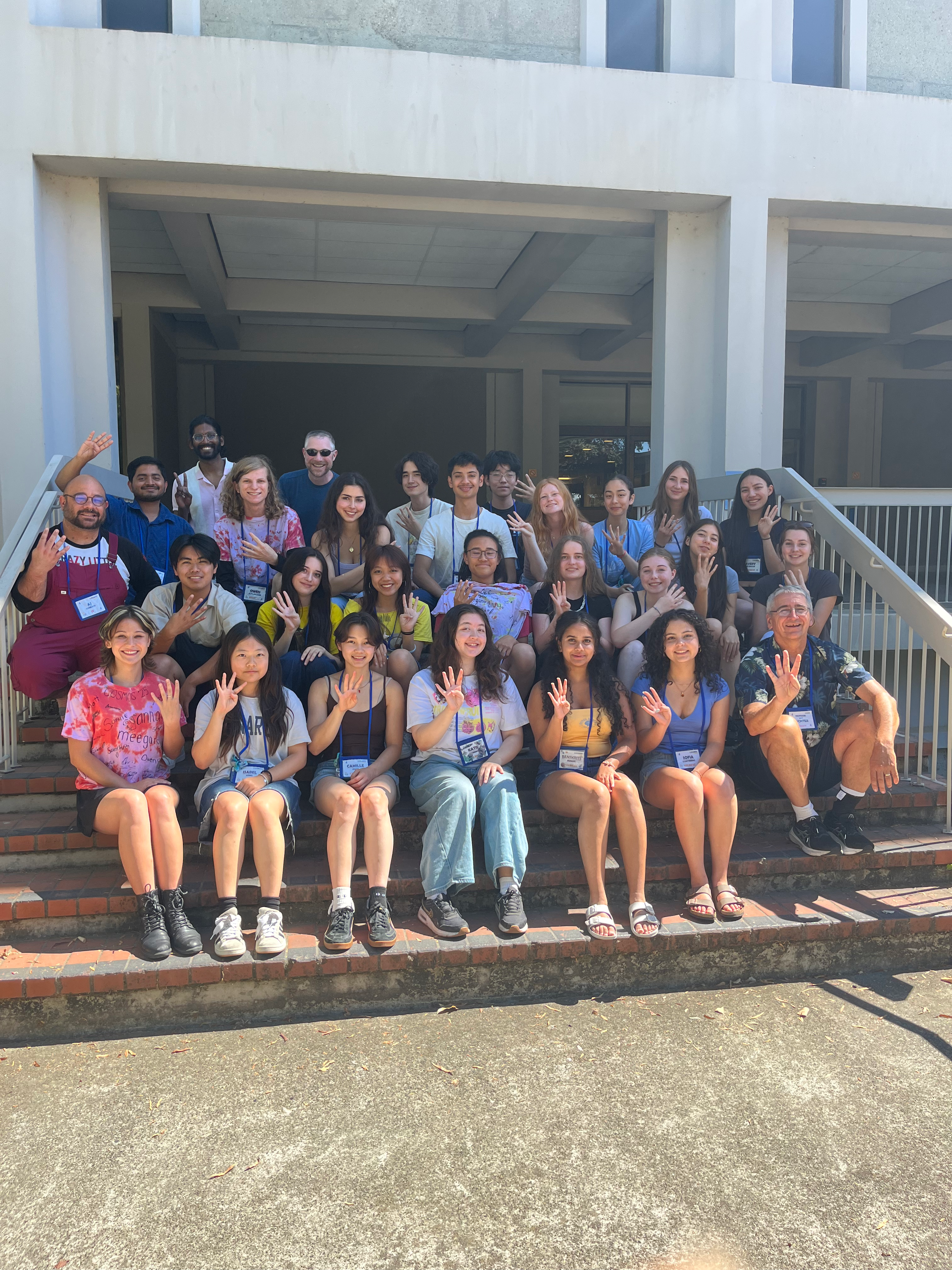
COSMOS: Astrophysics Summer Program

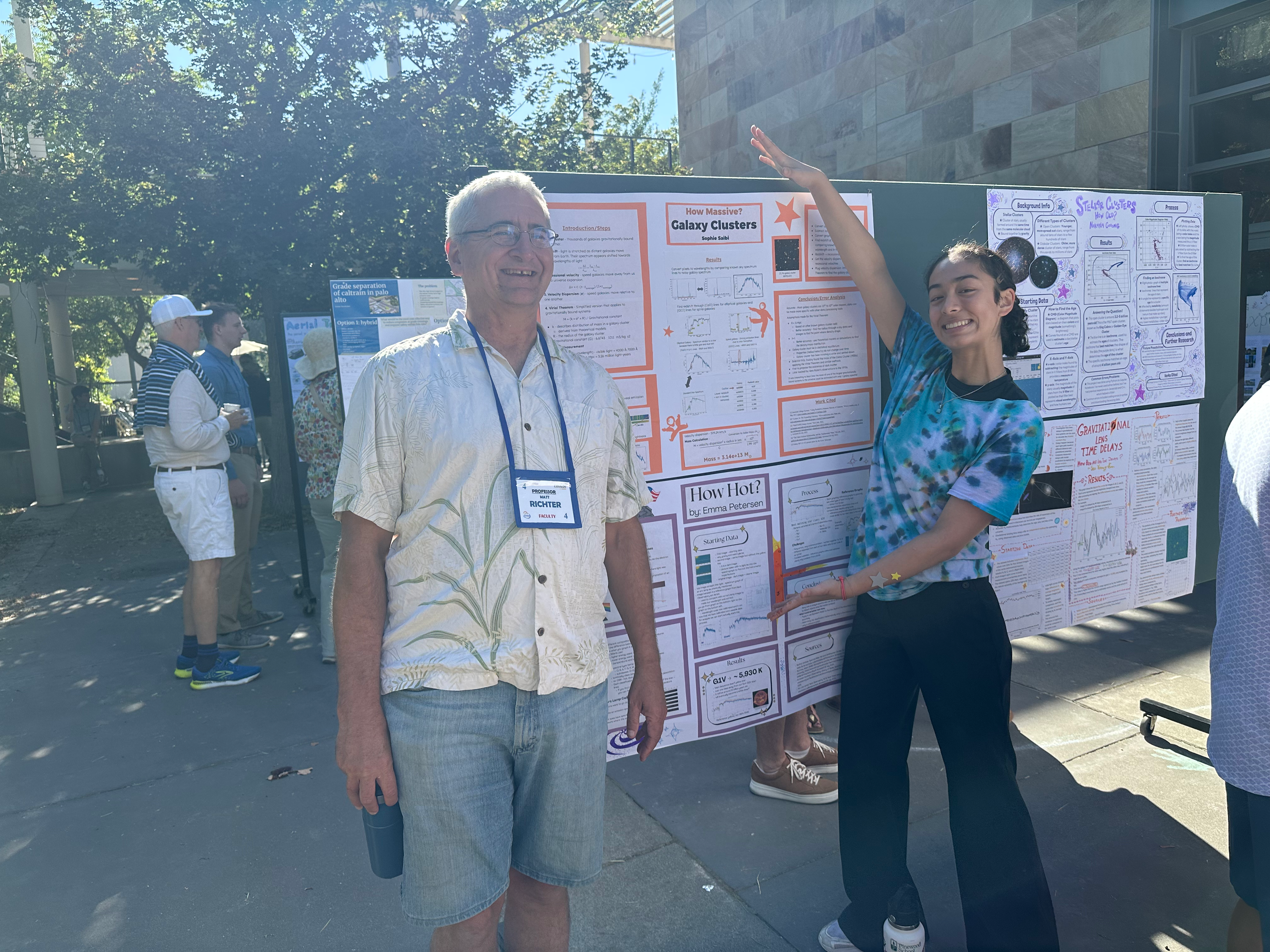
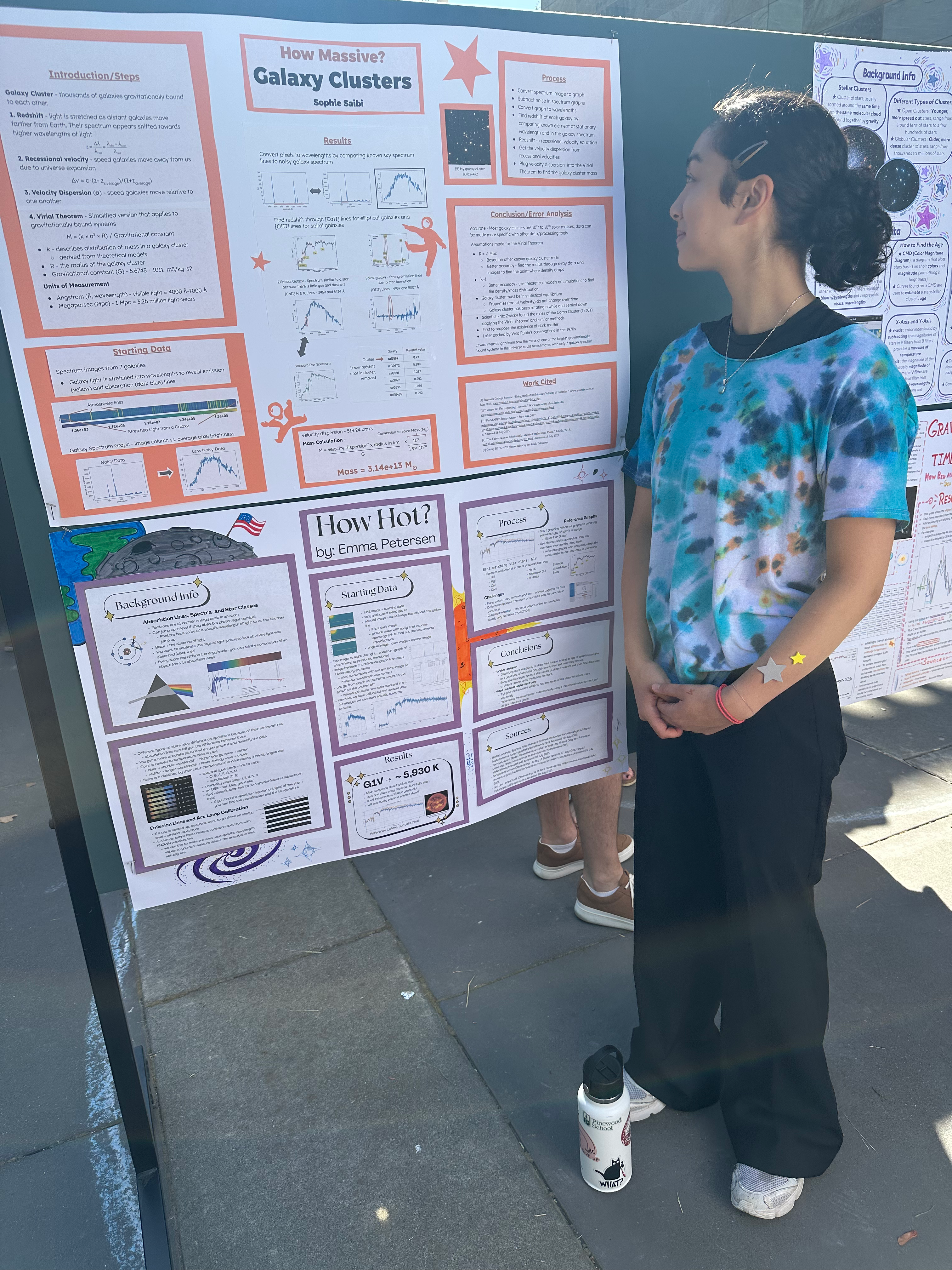
A galaxy cluster is made up of thousands of galaxies gravitationally bound to each other.
In my research project, I used spectral images from seven galaxies in the B0712+472 cluster to calculate the total mass of the galaxy cluster.
I worked together with two classmates (each with our own data but working to answer the same question) and came up with our own research plan, made a program to process data, and helped each other debug code. The project changed how I see data. A spectrum isn’t just a graph but a record of motion, and from small shifts in wavelength we could estimate the velocity at which galaxies rotate in a cluster. More than just the result, I discovered that I love the process of building tools, questioning my own code, and working with others to make sense of the data!